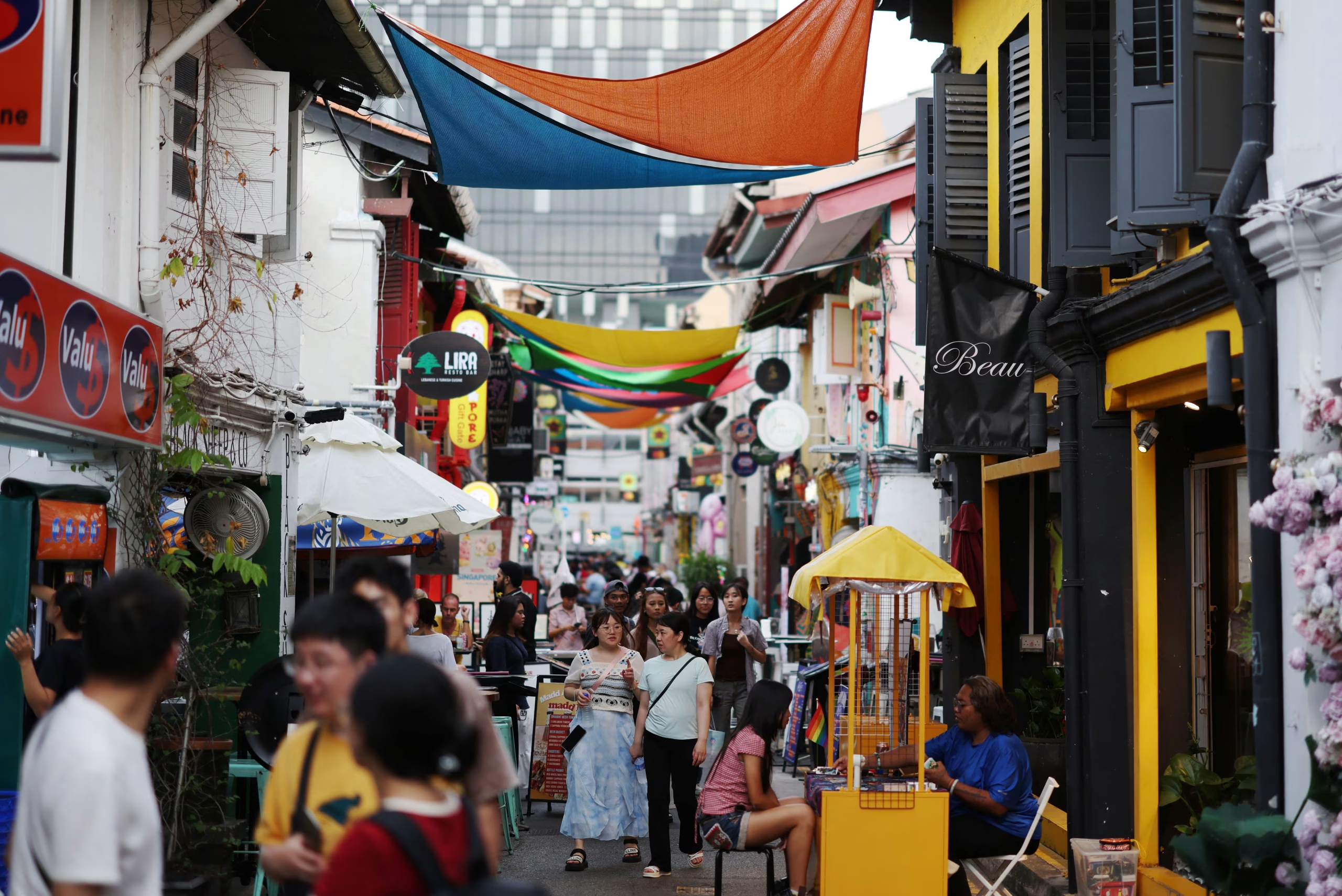
Singapore’s population has reached a new high of 6.11 million as of June 2025 — an increase of 1.2 percent from the same point last year. This growth is largely attributed to a rise in foreign workers, who now number approximately 1.91 million, up 2.7 percent year-on-year.
The citizen (resident) population rose moderately by 0.7 percent to 3.66 million, while the number of permanent residents remained stable around 0.54 million.
Reuters
The surge in foreign labor is mostly concentrated in sectors such as construction, marine shipyard, and domestic services. Many of these workers support large infrastructure projects, including Changi Terminal 5 and expanded housing supply.
Drivers and Sensitivities Behind the Growth
On the surface, the continued inflow of foreign workers reflects Singapore’s growth ambitions. Its land scarcity and lack of natural resources make it reliant on a flexible labor force capable of executing capital-intensive projects. But the influx of foreign labor has long sparked political and social sensitivities, especially around job competition, wages, and living standards.
Of note: Singapore’s unemployment rate remained low at about 2 percent in June. Yet job vacancies declined, signaling caution among employers amid economic slowdown fears.
The contrast between strong population growth and softening job openings suggests that employment dynamics are becoming more delicate.
Singapore’s elevated foreign-worker ratio — now nearly one in three residents is a foreign worker — amplifies concerns over infrastructure strain, housing, transport congestion, and social cohesion. Policymakers are expected to manage growth carefully to balance economic vitality with quality of life.
Key Economic and Social Implications
Labor Supply and Growth
The inflow of foreign workers helps plug gaps in sectors with labor shortages (construction, marine, domestic). It supports ambitious infrastructure and housing targets that require high manpower.
Wage Pressures and Job Competition
The presence of a large foreign labor base may suppress wage growth in certain segments, which could affect middle- and lower-income resident workers. Political pressures might push for stricter controls or quotas.
Infrastructure and Public Services Demand
Increased population puts more demand on housing, transport, health services, utilities, and urban planning. Ensuring that growth is sustainable will require careful planning and investment.
Social Integration and Cohesion
With many foreign workers concentrated in specific sectors, integration into broader society is a question. Policymakers must ensure social cohesion, fair treatment, and opportunities for all.
Economic Dependence
Heavily relying on foreign labor for key projects makes the economy sensitive to immigration policies, global labor mobility trends, and geopolitical shifts.
Balancing Growth and Stability
Finally, the employment signals are key. If private sector job creation slows even as labor supply rises, unemployment or underemployment risks emerge. The government and labor agencies may need to consider reskilling, wage incentives, or targeted hiring policies.
In sum, while the rising population and foreign worker presence underpin Singapore’s growth projects, they present a complex balancing act. The path ahead will test how well Singapore can harness external labor strength while maintaining social harmony, infrastructure resilience, and inclusive growth.