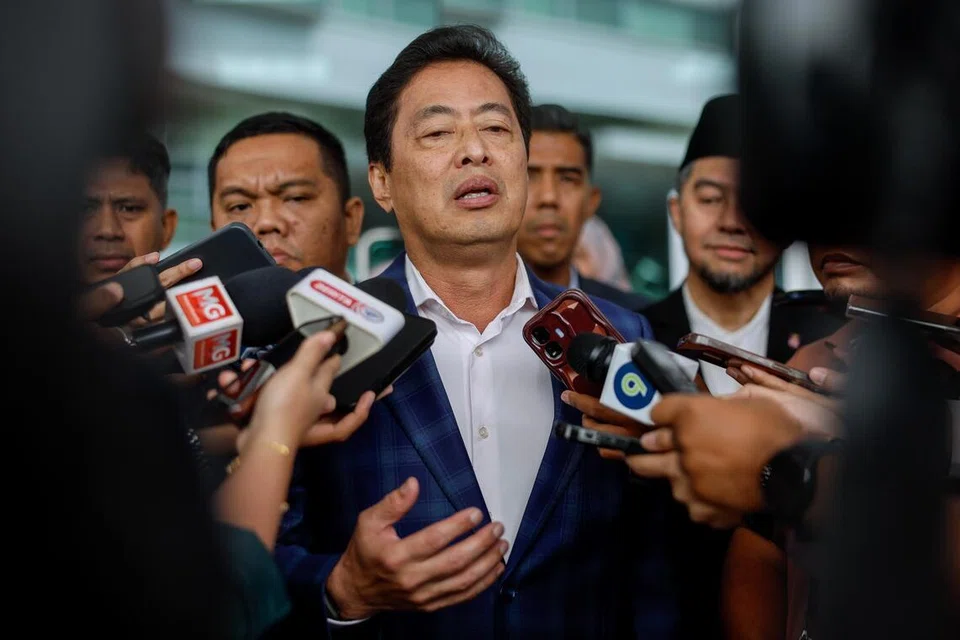
Malaysia’s top anti-graft official is once again at the center of political controversy, as renewed scrutiny over past shareholdings and fresh claims of misconduct within the country’s anti-corruption agency spark calls for deeper institutional reform.
Azam Baki, chief commissioner of the Malaysian Anti-Corruption Commission (MACC), is facing mounting pressure after lawmakers and civil society figures revived questions about his financial disclosures and the agency’s independence. The debate intensified following allegations that a so-called “corporate mafia” may have influenced investigations handled by the commission.
Growing Calls for Suspension and Inquiry
On February 13, several members of parliament urged the government to suspend Azam pending an independent investigation. Their concerns center on both historical shareholding disclosures and broader claims that enforcement officials may have colluded with private sector actors in past cases.
Although Prime Minister Anwar Ibrahim initially defended Azam, saying critics should allow him to explain himself, political pressure has continued to build. In response, the Cabinet announced the formation of a special task force to examine the allegations surrounding the MACC.
Communications Minister Fahmi Fadzil stated that the task force, led by the Chief Secretary to the Government, would investigate the claims and submit findings to the Cabinet for further action. The announcement signals that while the prime minister remains publicly supportive of Azam, the administration recognizes the seriousness of the concerns.
Internal Government Dissent Emerges
The controversy has not been limited to opposition voices. Former economy minister Rafizi Ramli, along with several other MPs from Parti Keadilan Rakyat (PKR), publicly called on Anwar to take firm action.
Rafizi drew parallels with the handling of the 1MDB scandal during the tenure of former prime minister Najib Razak. He warned that ignoring early warning signs in institutional controversies could damage Malaysia’s credibility on the global stage.
He also stated he was prepared to face legal consequences for speaking out, emphasizing that raising governance concerns was more important than political comfort. His remarks highlight widening divisions within the ruling coalition and suggest the issue could carry broader political consequences.
Revived Questions Over Shareholdings
At the heart of the renewed scrutiny are corporate filings indicating that Azam previously held substantial shares in private companies. Reports cited past ownership of approximately 17.7 million shares in Velocity Capital Partner, estimated at around RM800,000 in value. He was also reported to have held a minority stake in AwanBiru Technology.
Under Malaysian civil service rules, senior officials must declare shareholdings and comply with limits designed to prevent conflicts of interest. Critics argue that even if declarations were made, the scale and timing of the investments warrant independent verification.
Azam has denied any wrongdoing. In a public statement, he said he welcomed review by any independent committee and maintained that all declarations were submitted through official channels in accordance with regulations. He emphasized that he has “nothing to hide.”
Broader Allegations and Institutional Concerns
The controversy also gained traction after international reporting revisited a 2021 case involving alleged money laundering of roughly RM500 million routed through publicly listed companies. That investigation, reportedly handled by both the Inland Revenue Board and MACC, concluded without prosecution. A significant portion of seized funds was later returned to businessman Victor Chin.
While no new charges have emerged, media reports cited allegations of improper relationships between enforcement officials and corporate figures. These claims have fueled public debate about whether the MACC operates independently or remains vulnerable to political and economic influence.
Azam’s tenure itself has been a point of contention. First appointed in March 2020, he has received multiple contract extensions. His latest renewal extends his leadership until May 2026. Previous extensions had already drawn criticism from lawmakers who questioned whether controversies should have been resolved before renewal.
Debate Over Oversight and Reform
The episode has revived long-standing discussions about the structure and oversight of Malaysia’s anti-corruption framework. Currently, the MACC chief commissioner is appointed by the king on the advice of the prime minister. Although advisory panels exist, reform advocates argue that this system lacks sufficient parliamentary scrutiny.
PKR MP Wong Chen has proposed that future MACC chief appointments undergo review by a bipartisan parliamentary select committee. He also suggested enhanced asset disclosure requirements and alignment with forthcoming accountability legislation such as the Ombudsman Bill.
Transparency International Malaysia president Raymon Ram has stressed that allegations reported in the media should not be treated as proof of guilt. However, he underscored the importance of independently verifiable safeguards to protect public confidence.
Political analyst Syaza Shukri observed that this is not the first time Azam has faced controversy, and earlier explanations failed to satisfy segments of the public. She cautioned that the government’s response could significantly influence public perception of reform commitments.
Public Confidence at Stake
Malaysia’s current administration has positioned itself as reform-oriented and committed to tackling corruption. Several high-profile investigations have proceeded under Anwar’s leadership, reinforcing that message. However, critics argue that enforcement appears uneven and politically sensitive cases risk undermining reform credibility.
The handling of Azam’s case could therefore become a test of the government’s willingness to strengthen institutional accountability, even when scrutiny touches senior officials.
At a time when Malaysia seeks to project stability and integrity in governance, the outcome of the special task force investigation may shape public trust in the country’s anti-corruption architecture for years to come.