Thailand’s political scene has shifted dramatically following the February 2026 election, as the Bhumjaithai Party, led by caretaker Prime Minister Anutin Charnvirakul, has announced plans to form a new coalition government with the Pheu Thai Party. This marks a significant shift in the country’s political landscape, where the Bhumjaithai Party will lead the government, despite its underdog performance in past elections. This new alignment is seen as a strategic move to consolidate power, stabilize the government, and push forward key legislative and economic reforms.
A Coalition with Pheu Thai: Building Stability Amidst a Shifting Landscape
Bhumjaithai’s victory in the February 8 election has opened the door for a new coalition, with the Pheu Thai Party joining in a partnership that would create a significant parliamentary majority. On February 13, 2026, Anutin Charnvirakul confirmed that Bhumjaithai, which won 193 seats in the election, would enter into an alliance with Pheu Thai, which secured 74 seats. The coalition is expected to bring together around 325 seats out of 500 in Parliament, offering the new government a solid foundation for passing legislation and implementing policies.
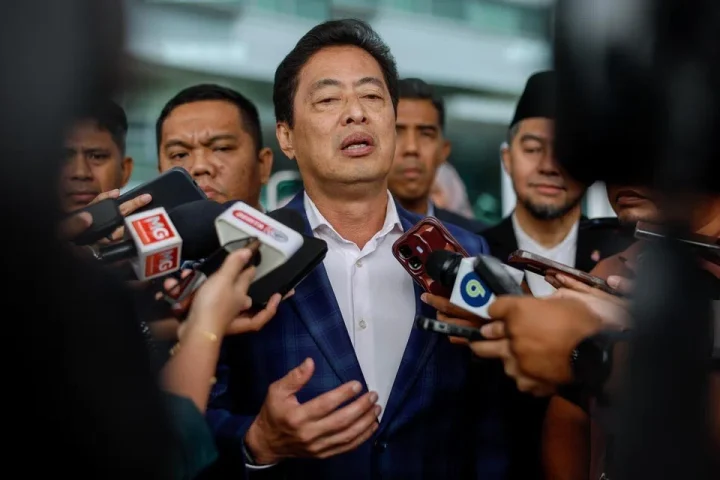
The announcement came after a series of talks between the two parties, which have historically been political rivals but now find themselves united under the common goal of forming a stable government. In a press conference following the meeting, Anutin expressed confidence in the partnership, stating that both parties shared a strong alignment in their visions for Thailand’s future. He stressed the importance of working together to create a stable, strong, and sustainable future for the country.
For the Pheu Thai Party, this marks a notable shift. In the previous government, Pheu Thai, which has long been associated with former prime minister Thaksin Shinawatra, held a central role. However, the coalition broke apart in mid-2025 following a disagreement between Pheu Thai and Bhumjaithai over the handling of the Thai-Cambodia border conflict. The collapse of the government led to Anutin’s rise as caretaker prime minister and set the stage for the current coalition.
Kla Tham Party’s Role in the New Government
While the formation of the coalition between Bhumjaithai and Pheu Thai is the most significant development, other parties, such as the Kla Tham Party, are also likely to be involved. Kla Tham, which won 58 seats, has not yet formally entered coalition talks but is expected to be part of the new government once discussions progress. The inclusion of Kla Tham could further solidify the government’s position, particularly as they have shown interest in being involved in the decision-making process.
The government will likely be formed with many of the same politicians from the previous administration, with key positions being negotiated among the coalition parties. The Bhumjaithai Party, with its larger share of seats, is expected to hold significant sway in ministerial appointments, with portfolios such as interior, finance, commerce, and foreign affairs being seen as highly sought-after roles.
Power Struggles and the Impact on Policy
Despite the apparent stability of the new government, experts are wary of potential internal strife. Professor Puangthong Pawakapan, an academic from Chulalongkorn University, noted that while the coalition would give Anutin a majority in Parliament, stability is far from guaranteed. She predicted that the alliance would face friction, particularly within Pheu Thai, where different factions within the party would likely fight for ministerial positions. These internal power struggles could cause delays in policymaking and hinder the effectiveness of the government.
Furthermore, the coalition partners may clash over key policy issues. Pheu Thai, under its previous leadership, proposed ambitious social programs, including a controversial scheme that would provide 1 million baht each day to nine individuals selected through a lottery. Such proposals could face resistance from Bhumjaithai, who may seek to block or modify these policies, given their differing political ideologies.
The inclusion of Pheu Thai in the coalition also raises concerns about corruption, as the party has been associated with scandalous allegations in the past. While Pheu Thai’s involvement may help boost the new government’s image, it may also lead to accusations of hypocrisy and inconsistency, particularly from opposition groups that view the party as a corrupt political entity. With tensions likely to rise as the coalition negotiations unfold, many observers are watching closely to see how the situation develops.
A New Chapter for Thailand’s Political Future
The new coalition government, while promising in terms of stability, is not without its challenges. Anutin’s Bhumjaithai Party will need to navigate the complexities of working with Pheu Thai, balancing their conflicting interests and managing the different factions within the coalition. Additionally, the Kla Tham Party, while not yet part of the formal talks, could become an influential player in the upcoming political landscape. The inclusion of multiple parties with varying political platforms and backgrounds will require careful diplomacy and a focus on compromise.
This new government could have a significant impact on the direction of Thailand’s policies, particularly in areas such as economic development, foreign relations, and national security. With the Bhumjaithai Party now leading the coalition, there will likely be a renewed focus on national sovereignty and economic recovery, following the challenges posed by the Thai-Cambodia conflict and the aftermath of the previous government’s collapse.
As the country moves forward, Thailand’s political future remains uncertain, with deep divisions among the major parties and potential for continued instability. While the new coalition government has a strong parliamentary majority, it must overcome internal divisions and external pressures to ensure long-term success. In the coming months, it will become clear whether this new political alignment can achieve the stability and progress Thailand desperately needs.