The Singapore dollar (SGD) is the official currency of Singapore and is one of the most traded currencies in the world. With a symbol of S$ or $, the Singapore dollar is used extensively in international trade, financial markets, and as a standard of economic stability in the Asia-Pacific region. The Monetary Authority of Singapore (MAS) manages the issuance and regulation of the Singapore dollar, ensuring its stability and global competitiveness.
As of 2024, the Singapore dollar is the 13th most traded currency globally, highlighting its importance in international finance. Additionally, the Singapore dollar is accepted in Brunei due to a unique currency interchangeability agreement between the two nations.
History of the Singapore Dollar
The Singapore dollar has a rich history that dates back to its introduction on June 12, 1967. It replaced the Malaya and British Borneo dollar following Singapore’s independence from Malaysia. Initially, the currency was pegged to the British pound and later adjusted to the U.S. dollar. In 1973, Singapore began a more flexible exchange rate system, allowing the dollar to be managed within an undisclosed basket of currencies, closely monitored by the Monetary Authority of Singapore (MAS).
Over the years, the Singapore dollar has evolved, with the introduction of new banknotes and coins. Today, it serves as a symbol of the country’s strong economy, stability, and global influence.
Key Features and Currency Denominations
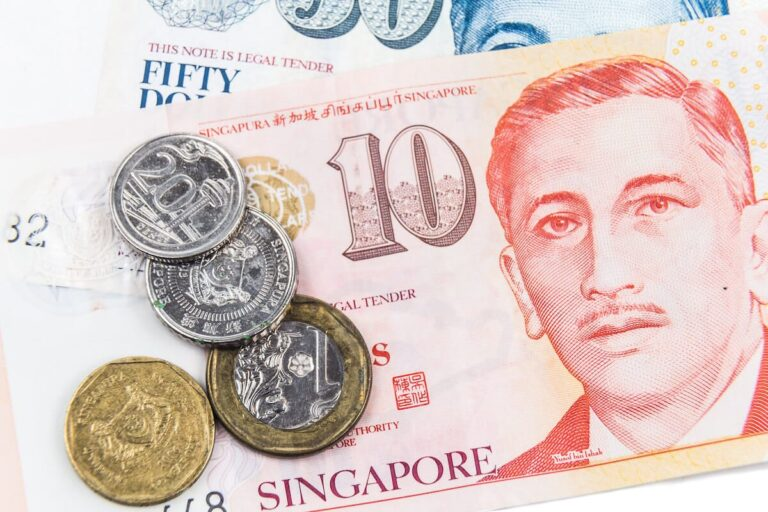
The Singapore dollar is divided into 100 cents. Coins are available in denominations of 1 cent, 5 cents, 10 cents, 20 cents, 50 cents, and $1. Banknotes come in denominations of $2, $5, $10, $50, $100, $500, and $1,000, with $10,000 notes no longer being printed since 2014. These notes feature iconic symbols of Singapore, such as orchids, national monuments, and historical figures like Yusof bin Ishak, Singapore’s first president.
Currency in Circulation (2024)
As of 2024, Singapore’s currency in circulation totals around S$66.553 billion, fully backed by external assets held in the Currency Fund. This ensures public confidence in the stability of the Singapore dollar. The Monetary Authority of Singapore also maintains significant foreign reserves, which further support the currency.
The Role of the Singapore Dollar in Global Finance
The Singapore dollar plays a crucial role in the global financial system. Singapore is a global financial hub, with the Singapore dollar being used extensively in trade, investment, and currency markets. The currency’s stability is crucial for both domestic and international businesses, making Singapore a popular destination for multinational corporations and investors.
With its competitive tax policies, efficient infrastructure, and strong banking system, Singapore has built a reputation as a safe haven for investors. The Monetary Authority of Singapore’s role in managing the exchange rate and maintaining the currency’s stability ensures that the Singapore dollar remains one of the most reliable currencies in the Asia-Pacific region.
Coins and Banknotes of the Singapore Dollar
Since 1967, Singapore has issued several series of coins and banknotes. The most significant series include:
- Marine Series (1967-1985)
These coins featured images of marine life and public housing, reflecting Singapore’s connection to both its natural environment and rapid urban development. - Floral Series (1985-2013)
This series of coins and notes showcased Singapore’s national flower, the Vanda Miss Joaquim orchid, symbolizing the nation’s growth and prosperity. - Iconic Series (2013-present)
The current coin series features Singapore’s national icons such as the Merlion and Changi Airport. The banknotes in this series honor the nation’s historical and cultural landmarks, emphasizing Singapore’s unique identity and achievements.
Commemorative Banknotes
Singapore frequently issues commemorative banknotes to mark important national milestones. Some notable examples include:
- $50 Note (1990) – Celebrating the 25th Anniversary of Singapore’s independence.
- $50 Note (2015) – Marking the nation’s 50 years of nation-building (SG50).
- $20 Note (2019) – Commemorating the Singapore Bicentennial.
These notes are often released in limited quantities, making them valuable to collectors and offering a glimpse into Singapore’s rich heritage.
International Trade and the Singapore Dollar
Singapore’s economy relies heavily on international trade, and its currency plays a vital role in facilitating this trade. The Port of Singapore is one of the busiest in the world, and Singapore’s strategic location has made it a global trade hub. The Singapore dollar is used widely for transactions involving electronics, petroleum products, and chemicals, which are the country’s major exports.
Singapore also has strong trading relationships with countries such as China, the United States, and Japan. The currency’s stability and the country’s trade agreements, such as the free trade agreement with the European Union, ensure that the Singapore dollar continues to be a key player in global commerce.
Conclusion
The Singapore dollar is more than just a national currency; it represents Singapore’s robust economic framework, its strategic global positioning, and its focus on financial stability. From its humble beginnings in 1967 to its current status as one of the most traded currencies in the world, the Singapore dollar reflects the nation’s remarkable economic transformation and its ongoing importance in international finance.