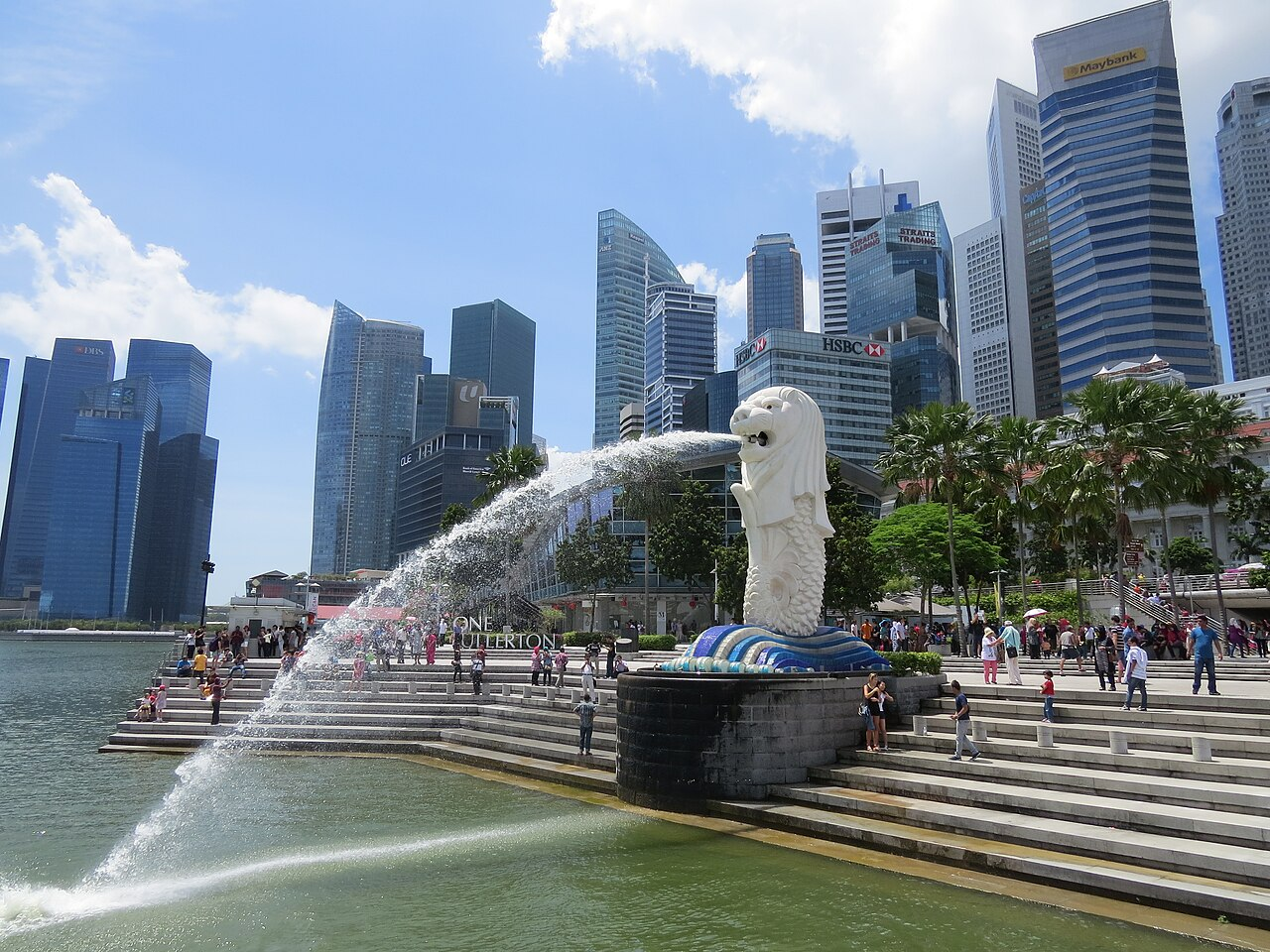
The economy of Singapore stands as one of the most advanced and competitive globally. Often hailed as a “miracle economy,” Singapore has transitioned from a small trading post into a major financial, industrial, and commercial hub. With a high-income economy, it ranks among the top nations in terms of GDP per capita, especially in purchasing power parity (PPP). The economy’s growth has been fueled by strategic planning, innovation, and a focus on human capital.
Boasting one of the busiest ports in the world and acting as a global financial center, Singapore’s open-market economy has earned it the title of the most business-friendly nation. With low taxes, high savings rates, and an emphasis on international trade, Singapore continues to attract foreign investment, making it one of the most attractive global economic landscapes.
Overview of Singapore’s Economic Landscape
Singapore’s economy is characterized by its market-driven nature, with a mix of private and state-owned enterprises. The nation’s business-friendly environment, robust infrastructure, and stable political landscape make it a magnet for multinational corporations. The Singapore government plays a significant role in the economy, with state-owned enterprises and sovereign wealth funds like Temasek Holdings managing large portions of the nation’s assets.
The key industries contributing to Singapore’s economy include electronics, financial services, biotechnology, chemicals, and energy. The country is a leading hub for oil refining and biomedical products, while also excelling in sectors like telecommunications and pharmaceuticals.
Key Sectors Driving Economic Growth
- Electronics and Manufacturing:
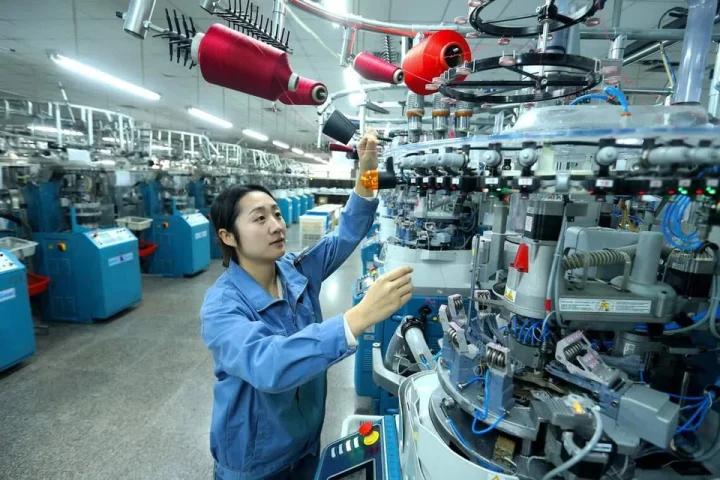
Singapore has established itself as a key player in the electronics and semiconductor industry, with significant contributions to global manufacturing. The nation hosts numerous multinational corporations specializing in the production of semiconductors, computers, and consumer electronics. - Financial Services:
The financial services sector is a cornerstone of Singapore’s economy, with major banks like DBS, OCBC, and UOB operating globally. The country is also known for wealth management, trading, and investment banking. Its stable banking sector and pro-business policies have cemented its position as one of the world’s leading financial hubs. - Biotechnology and Pharmaceuticals:
Singapore has heavily invested in biotechnology, with global pharmaceutical companies setting up research and manufacturing facilities in the country. It has become a leader in life sciences and medical technology, attracting billions in foreign investments. - Oil and Energy:
Despite having no natural oil reserves, Singapore has grown into one of the world’s top oil refining centers. The country also serves as a key trading hub for energy resources, including natural gas and petrochemicals. Singapore’s strategic location allows it to be a major player in the energy sector. - Tourism:
Tourism remains a vital part of Singapore’s economy, with the country regularly ranking as one of the most visited cities globally. The nation’s infrastructure, including Changi Airport and its luxury hotels, attracts millions of visitors each year.
International Trade and Investment
Singapore’s role as a global trade and investment hub cannot be overstated. With a trade-to-GDP ratio among the highest in the world, the nation’s economy thrives on imports and exports, particularly in electronics, petroleum, and pharmaceuticals.
The Port of Singapore is one of the busiest in the world, facilitating large volumes of global trade. The country’s strategic location along vital shipping routes and its advanced infrastructure make it a key player in global logistics and supply chains. Singapore has also built strong trade relationships with countries such as the United States, China, and Japan.
Foreign direct investment (FDI) plays a critical role in the nation’s economy. Singapore has long been an attractive destination for MNCs, due to its low corporate taxes, skilled workforce, and access to international markets. As a result, the city-state has seen sustained growth in sectors such as finance, information technology, and manufacturing.
Labour Force and Employment
Singapore boasts a highly educated and skilled workforce. The country has consistently invested in education and workforce training, ensuring that its labor force is well-equipped to handle the demands of high-value industries. Singapore’s employment rate remains high, with a focus on attracting global talent to complement its domestic workforce.
However, challenges persist, particularly in sectors requiring low-skilled labor, where foreign workers fill essential roles. The government has implemented measures to balance the need for foreign workers while providing ample opportunities for local citizens through training programs and economic policies.
Challenges and Future Outlook
Despite its success, Singapore’s economy faces several challenges. The nation is dealing with the pressures of an aging population and labor shortages in specific sectors. The government has responded with policies aimed at boosting the labor force participation rate of older workers and encouraging greater diversity in the workforce.
Additionally, as a country with limited natural resources, Singapore continues to focus on innovation and sustainability to drive economic growth. Renewable energy, biotechnology, and artificial intelligence are expected to play a significant role in the future of Singapore’s economy.
Conclusion
The economy of Singapore stands as a global success story, marked by its rapid growth, strategic industries, and global trade influence. As a financial, technological, and industrial powerhouse, Singapore continues to evolve, attracting international investment while preparing its workforce for the challenges of the future. With its strong focus on innovation, sustainability, and education, Singapore is poised to remain at the forefront of the global economy.